When it comes to driving traffic and generating leads online, two primary strategies often come to mind: SEO and Paid Search. Both are essential components of a comprehensive digital marketing plan, but understanding their differences can help you allocate your resources more effectively.
Understanding SEO and Paid Search
Search Engine Optimization (SEO) involves optimizing your website to rank higher in organic (non-paid) search engine results. This includes on-page elements like content and keywords, as well as off-page factors like backlinks.
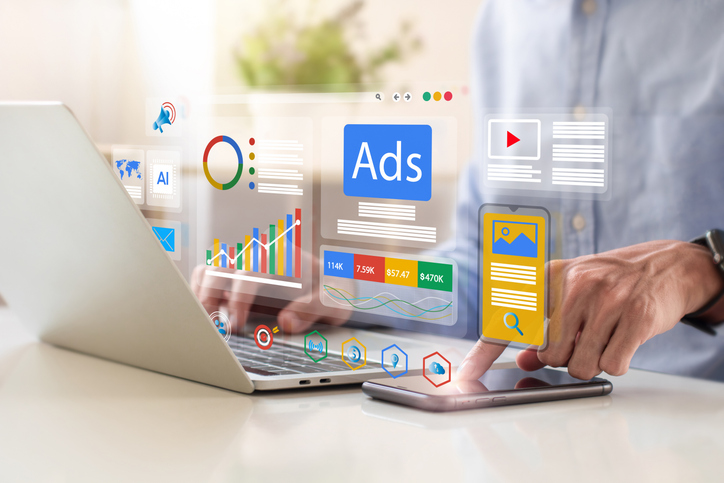
Paid Search, often referred to as Pay-Per-Click (PPC) advertising, involves paying for ad placements on search engine results pages. These ads appear above or beside organic search results and are marked as sponsored.
Pros and Cons of SEO
Pros:
- Cost-Effective Over Time: Once your site ranks well, maintaining those positions can be more affordable than ongoing ad spend.
- Credibility and Trust: Users often trust organic results more than paid ads.
- Sustainable Traffic: High rankings can lead to consistent, long-term traffic.
Cons:
- Time-Consuming: Achieving top rankings can take months of consistent effort.
- Algorithm Changes: Search engines frequently update their algorithms, which can impact your rankings.
Pros and Cons of Paid Search
Pros:
- Immediate Results: Your ads can start driving traffic as soon as they go live.
- Targeted Advertising: You can target specific demographics, locations, and search behaviors.
- Measurable ROI: Detailed analytics allow you to track performance and adjust campaigns accordingly.
Cons:
- Cost: Competitive keywords can be expensive, and costs can add up quickly.
- Temporary: Traffic stops when you stop paying for ads.
Which Should You Invest In?
The choice between SEO and Paid Search depends on your business goals, budget, and timeline.
- Short-Term Goals: If you need immediate traffic or are promoting a time-sensitive offer, Paid Search is the way to go.
- Long-Term Growth: For sustainable traffic and brand authority, investing in SEO is beneficial.
- Balanced Approach: Combining both strategies can provide immediate visibility while building long-term credibility.
How PPL Labs Can Help
At PPL Labs, we specialize in creating customized digital marketing strategies that integrate both SEO and Paid Search to maximize your online presence. Our team of experts will work with you to understand your business objectives and develop a plan that delivers results.
Whether you're looking to improve your organic rankings, launch a targeted PPC campaign, or both, PPL Labs has the experience and tools to help your business grow.